You walk through your home, and everything feels perfectly comfortable—until you enter that room.
You know the one. The bedroom that feels like a sauna. The home office where your computer isn’t the only thing overheating. The upstairs bonus room that apparently has its own tropical climate.
One stubbornly hot room doesn’t necessarily mean your whole HVAC system is failing. Let’s break down the most common causes for why one room is hotter than the rest.
1. The Air Vent Is Blocked or Closed
Let’s start with the easiest possibility: Your vent may not be able to do its job.
Furniture, curtains, rugs, and even strategically placed piles of laundry can block conditioned air from entering the room. Check that the supply vent is fully open and has plenty of space around it.
While you’re looking around, make sure the room’s return-air vent isn’t blocked either. Your HVAC system needs to send conditioned air into a room and pull air back out to keep it circulating properly.
A blocked vent is good news because the solution may be as simple as rearranging the furniture. Your couch may look great in that spot, but your air conditioner would like to file a formal complaint.

2. Your Air Filter Needs Attention
A dirty HVAC filter restricts airflow throughout your system. That reduced airflow may be especially noticeable in rooms located farther away from the indoor unit.
Check your filter and replace it if it looks dirty. How frequently you need a new one depends on factors such as the filter type, pets, allergies, and how often your system runs.
Changing the filter may improve airflow, but if one room remains dramatically warmer than the others, there is probably another issue hiding behind the scenes.
3. The Room Gets More Sunlight
Some rooms simply have a tougher job staying cool. A room with large windows, limited shade, or afternoon sun exposure can absorb significantly more heat than other areas of your home. Upstairs rooms also tend to feel warmer because heat naturally rises through the house.
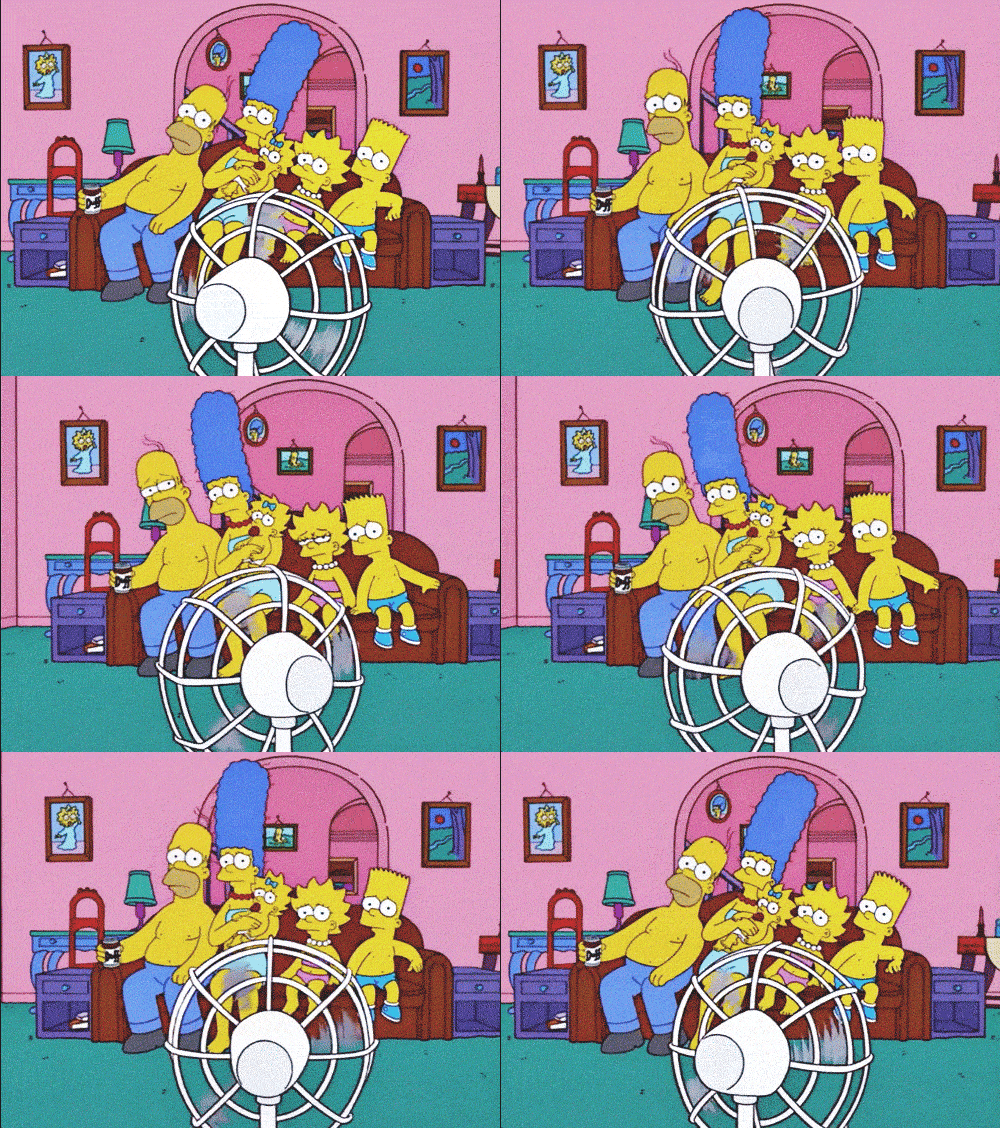
Closing blinds or curtains during the hottest part of the day can help. Ceiling fans can also make the room feel more comfortable, but remember: Fans cool people, not rooms. Turn them off when nobody is there unless you really want the furniture to enjoy the breeze.
4. Your Home May Need Better Insulation or Air Sealing
If the hot room is directly below the attic, beside the garage, or surrounded by exterior walls, poor insulation or air leaks may be allowing outdoor heat to sneak inside.
Common trouble spots include windows, doors, attic access points, and gaps around plumbing or electrical penetrations. ENERGY STAR identifies inadequate insulation and hidden air leaks as potential causes of uneven temperatures between rooms.
Weatherstripping and curtains may help with smaller issues. More significant temperature differences could call for an insulation or home-energy evaluation.
5. There Could Be a Ductwork Problem
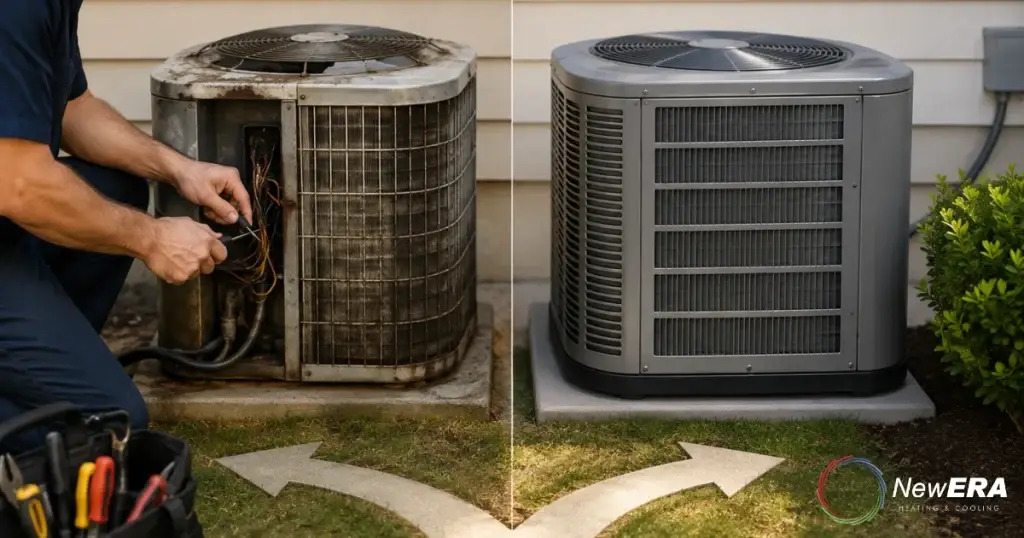
Your ductwork is responsible for carrying cooled air throughout your home. If a duct is leaking, disconnected, crushed, poorly insulated, or incorrectly sized, the problem room may not receive enough air.
This is especially common when ducts travel through a hot attic, garage, or crawlspace. According to ENERGY STAR, a typical home can lose approximately 20-30% of the air traveling through its duct system because of leaks, holes, and poor connections.
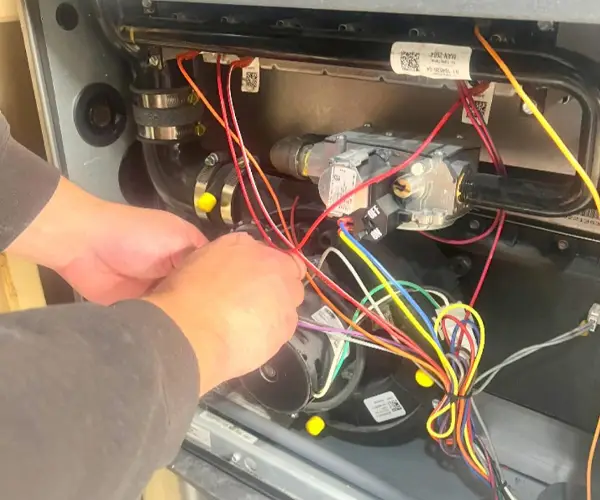
Because much of your ductwork is hidden, finding the issue may require a professional inspection. An HVAC technician can check the supply and return-air balance, inspect accessible ducts, and identify restrictions or damaged connections.

6. Your HVAC System May Be Improperly Sized or Unbalanced
Bigger isn’t always better when it comes to heating and cooling equipment. An oversized system may cool the area around the thermostat quickly and shut off before conditioned air reaches every room. An undersized system may struggle to keep up with the entire home during especially hot weather.
The duct layout may also need balancing. Small adjustments to airflow can sometimes send more conditioned air toward rooms that need it without freezing everyone in the living room.
Should You Lower the Thermostat?
You can, but it may not solve the underlying problem. Lowering the thermostat often makes the already-comfortable rooms colder while the hot room continues doing its best impression of July in Missouri. It can also make your system run longer and increase your energy use.
If basic troubleshooting doesn’t help or the room has become noticeably hotter than it used to, it’s time to have the system checked.
New Era Heating & Air Conditioning can help determine whether the culprit is restricted airflow, leaky ductwork, equipment performance or another comfort issue. We’ll help you find a practical solution so every room in your house can finally agree on a season.
Tired of avoiding the hottest room in your house? Contact New Era Heating & Air Conditioning to schedule an HVAC evaluation.